
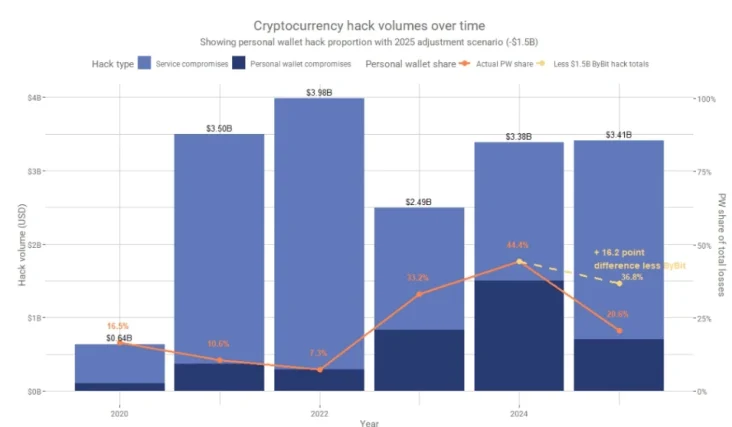
The cryptocurrency industry continues to face serious security challenges, and the long-term impact of hacks is far more severe than many realize. According to industry experts, nearly 80% of crypto projects that suffer major security breaches fail to recover fully, even after fixing technical vulnerabilities or restoring part of the stolen funds.
While financial losses grab headlines, experts emphasize that trust damage is the real killer. Once users lose confidence in a platform’s security, they often withdraw funds immediately and never return. This sudden loss of liquidity can cripple a project’s ecosystem, leaving developers, partners, and investors unwilling to continue their involvement.
Another major issue is poor crisis response. Many crypto teams are unprepared for large-scale attacks and lack clear incident response plans. Delayed communication, unclear explanations, or silence during critical moments often worsen the situation. In contrast, projects that respond quickly, transparently, and decisively stand a better chance of survival — though they remain a minority.

Modern crypto hacks are also evolving. While smart contract bugs were once the main threat, recent incidents increasingly involve human errors, such as compromised private keys, social engineering attacks, and internal security lapses. These weaknesses are harder to detect and highlight the importance of strong operational security alongside technical audits.
Even when projects manage to patch vulnerabilities and resume operations, reputational damage often lingers. Exchanges may delist affected tokens, partnerships dissolve, and community activity declines sharply. In many cases, the project technically survives but never regains its former relevance or market position.
Experts conclude that security in crypto is no longer just about code. It is about preparation, leadership, transparency, and trust. Without strong crisis management and clear communication, most hacked projects are unable to rebuild credibility making recovery the exception, not the rule.