
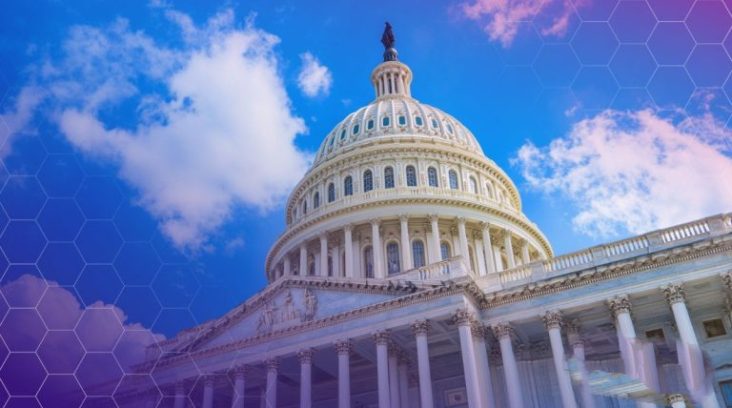
The proposed U.S. CLARITY Act, a bill aimed at creating clear regulations for the digital asset industry, may face serious challenges in becoming law in 2026 unless it advances quickly in Congress. Experts say the legislation must move through a Senate committee by the end of April to keep its chances alive this year.
Alex Thorn, head of research at Galaxy Digital, stated that if the bill fails to progress through the committee process by April, the likelihood of it passing in 2026 will become extremely low. He noted that the legislation would need to reach the Senate floor by early May to maintain legislative momentum.
One reason for the slow progress is the busy legislative schedule in Washington. Lawmakers are currently focused on several other priorities, including voting-related bills and broader political issues. This crowded agenda leaves limited time for detailed discussions about cryptocurrency regulation.
Another factor delaying the bill is disagreement over how stablecoins should be regulated. Some policymakers and banking groups are concerned about allowing stablecoin issuers to offer interest or rewards to users. They argue that such incentives could attract deposits away from traditional banks. Meanwhile, many crypto companies believe these features are necessary to improve the usefulness of stablecoins in financial services and payments.
The CLARITY Act is also expected to address several complex topics, including decentralized finance rules, protections for blockchain developers, and the division of regulatory authority between agencies like the SEC and the CFTC. These unresolved issues have added further complexity to negotiations among lawmakers.
Some analysts now believe that even if discussions continue, comprehensive crypto market regulation in the United States could be delayed until 2027 or later. Full implementation of new rules might even stretch toward the end of the decade.
Despite these challenges, supporters argue that passing the CLARITY Act would bring much-needed regulatory certainty to the cryptocurrency industry. Clear rules could help attract institutional investment, improve investor protection, and strengthen the United States’ position in the rapidly growing global crypto market.