
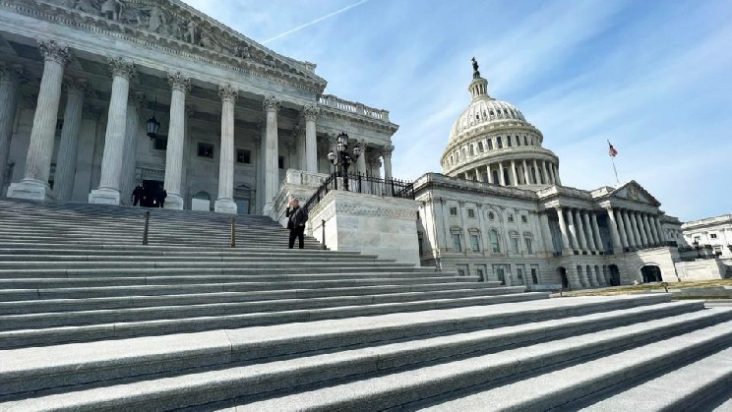
The emerging agreement on stablecoin yield regulation has sparked widespread debate across both the cryptocurrency industry and traditional financial institutions. Lawmakers working on a broader crypto market structure bill have reached what they describe as an “agreement in principle,” marking an early step toward formalizing rules around stablecoins and the yields they may offer. However, despite this progress, the proposal has failed to satisfy most stakeholders, highlighting the complexity of regulating a rapidly evolving sector.
The draft agreement, which has so far been shared only with select industry participants, outlines how stablecoin issuers and platforms might be allowed to generate and distribute returns to users. Stablecoins, which are typically pegged to fiat currencies like the U.S. dollar, have become a central part of the digital asset ecosystem, often used for trading, lending, and earning yield. Because of their growing importance, regulators are increasingly focused on ensuring that their use does not pose risks to financial stability or consumer protection.
One of the main points of contention is how restrictive the proposed rules might be. Some stakeholders in the crypto industry argue that overly tight regulations could limit innovation and reduce the attractiveness of stablecoins as financial tools. Yield-generating opportunities have been a major driver of adoption in decentralized finance, and any limitations could impact both platforms and users who rely on these returns. There are also concerns that unclear or burdensome requirements could push activity offshore, weakening the competitiveness of regulated markets.

At the same time, representatives from the traditional banking sector have expressed their own concerns. They worry that allowing stablecoin issuers to offer yields without adhering to the same regulatory standards as banks could create an uneven playing field. Banks are subject to strict rules when it comes to interest-bearing products, capital requirements, and risk management, and they argue that similar standards should apply to crypto-based financial products to ensure fairness and stability.
Despite the pushback from both sides, sources suggest that significant changes to the agreement are unlikely. Lawmakers appear committed to moving forward with the current framework, possibly making only minor technical adjustments before advancing the bill. This indicates a desire to establish a regulatory baseline quickly, even if it does not fully address all concerns. The urgency reflects growing pressure on policymakers to bring clarity to the crypto market, which has operated in a largely uncertain regulatory environment for years.
In response to the proposed rules, some industry participants are considering putting forward alternative approaches. These counterproposals aim to strike a better balance between innovation and oversight, potentially offering more flexible guidelines for how stablecoin yields can be generated and distributed. However, it remains unclear whether these suggestions will have a meaningful impact on the final version of the legislation.
The next stage in the process is expected to involve the public release of the draft language, followed by a formal legislative markup. During this phase, lawmakers will debate the provisions, consider amendments, and refine the details of the bill. This will be a critical moment for stakeholders to voice their concerns and attempt to influence the outcome.
Overall, the situation underscores the challenges of regulating a fast-moving and complex industry like cryptocurrency. While the agreement represents progress toward clearer rules, the lack of consensus highlights the difficulty of balancing competing interests. As the legislative process continues, the final framework will likely shape the future of stablecoins and their role in the broader financial system.